Claudia Giontella Archaeological Museum of Terni.
Museo Archeologico Claudia Giontella
The museum that tells the origins of Terni between Umbrians and Romans
The Claudia Giontella Archaeological Museum in Terni, inaugurated in 2004, was created through the restoration of the former industrial area of the SIRI – Società Italiana Ricerche Industriali – now transformed into the cultural complex known as CAOS, Centro Arti Opificio Siri.
Named after the archaeologist Claudia Giontella, who played a key role in the creation of the museum, the exhibition route guides visitors through the earliest history of the Terni area, from prehistoric populations to the Roman city of Interamna Nahars.
Today, the museum is one of the most important cultural institutions for understanding the origins of southern Umbria, thanks to archaeological finds, inscriptions, sculptures and artifacts discovered in necropolises and Roman sites throughout the Terni region.
A journey through prehistoric necropolises and the Roman city of Interamna
The Claudia Giontella Archaeological Museum is divided into two main sections: one dedicated to the prehistoric age and the other to the Roman period.
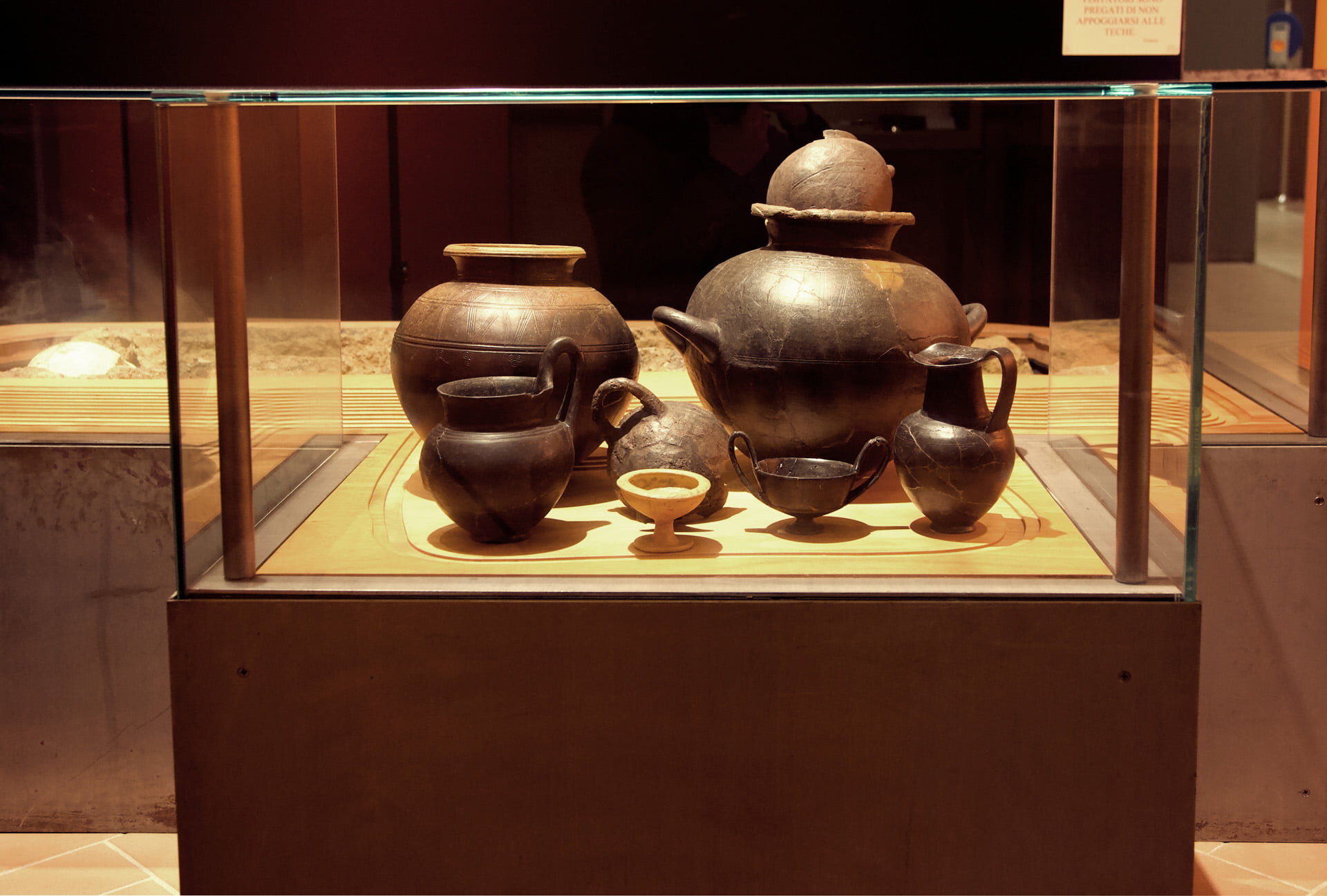
The prehistoric section displays artifacts mainly from the necropolises of the Acciaierie, Ex Poligrafico Alterocca and San Pietro in Campo, which are essential for understanding the Naharti, an ancient proto-Umbrian population settled along the Nahar River, today known as the Nera River.
Among the museum’s most famous discoveries is the so-called double burial tomb, dating between the late 8th and early 7th century BC, traditionally linked to the legend of Sabino and Serapia, the lovers associated with Saint Valentine.
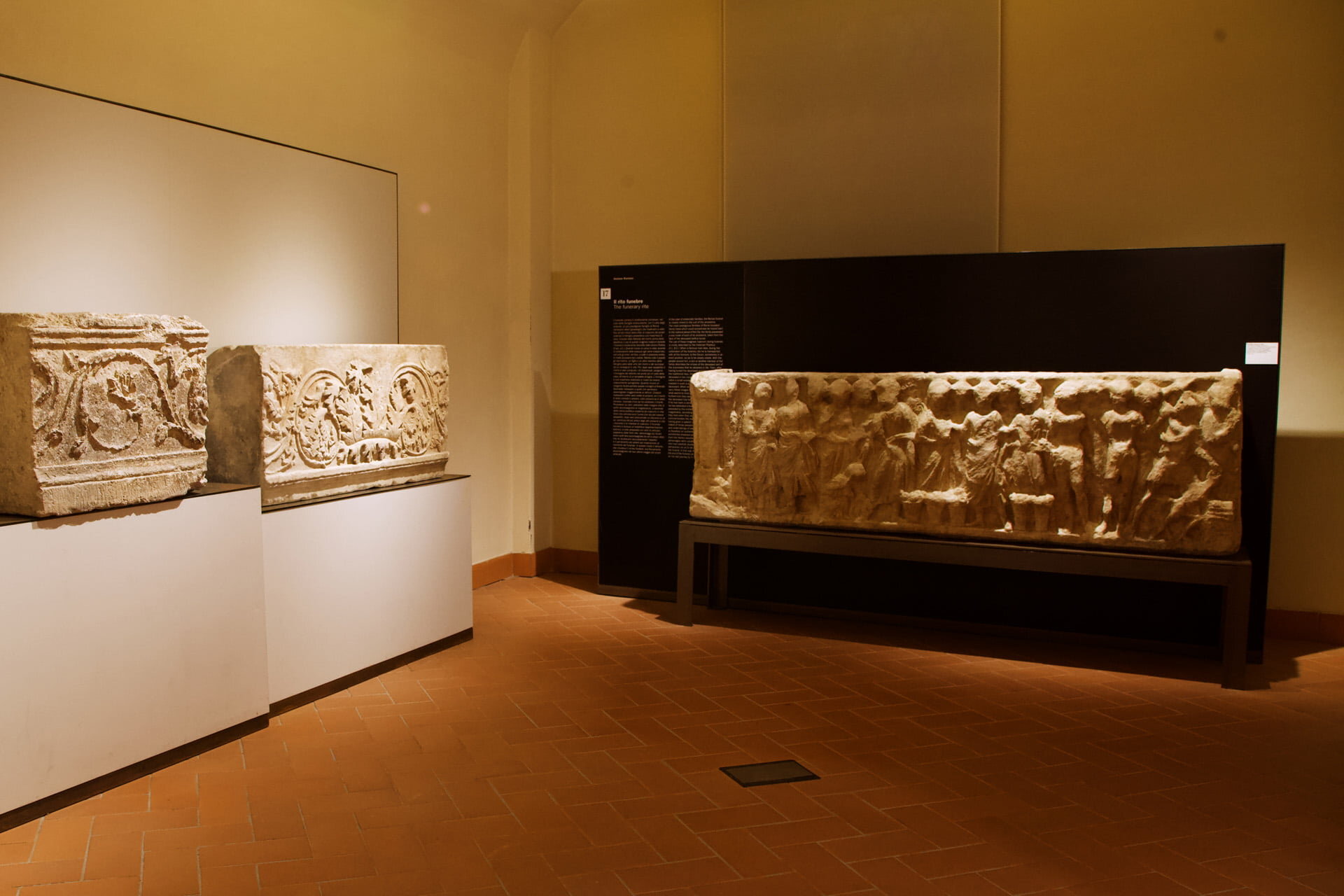
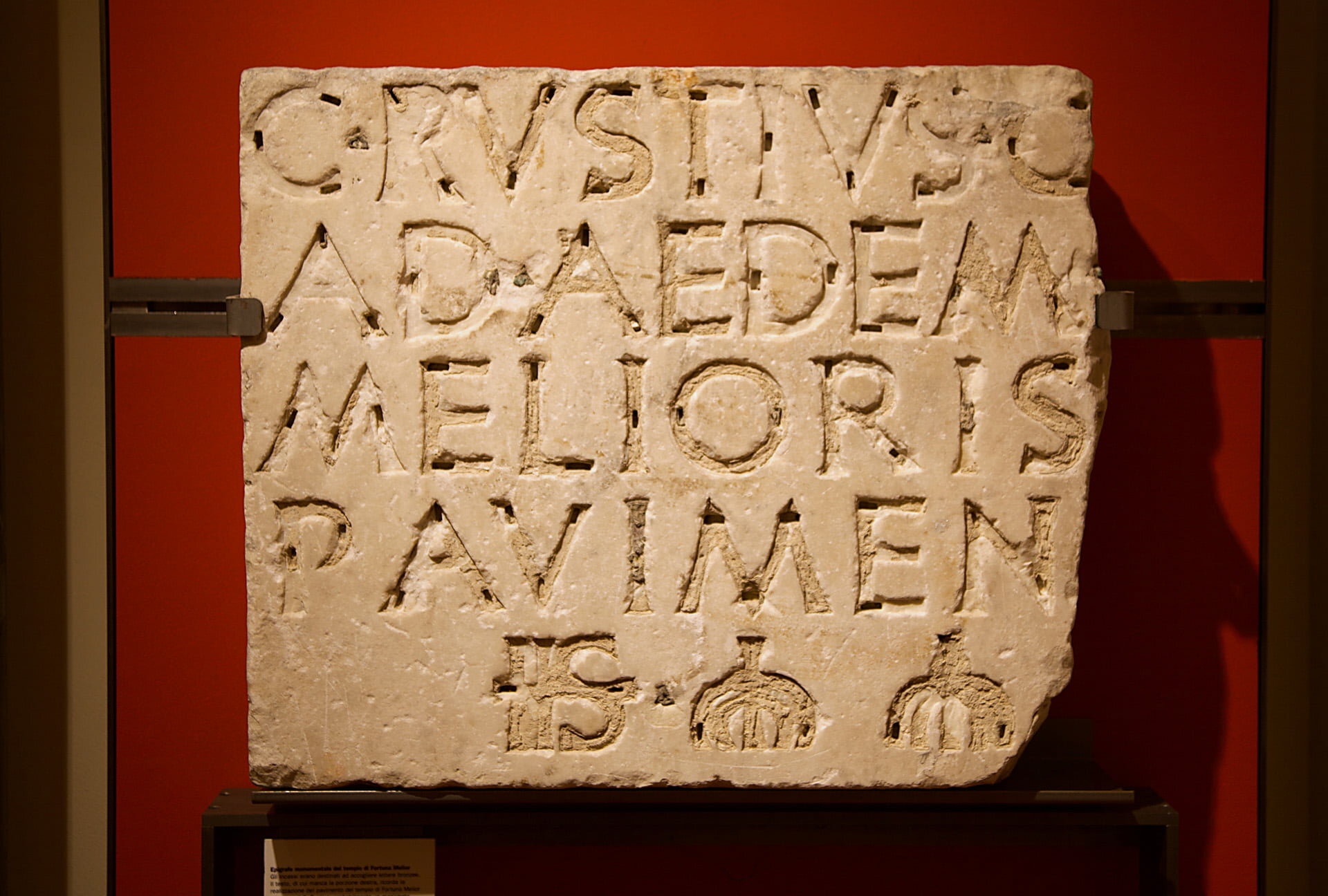
The Roman section tells the story of the birth and development of Interamna Nahars, ancient Roman Terni, through epigraphs, sculptures, monumental inscriptions and archaeological finds from public buildings, burial areas and sacred sites.
Among the most important works are the relief depicting Mithras slaying the bull, the sarcophagi from the San Valentino cemetery area, the statues from the Roman city of Carsulae and the large white marble Telamon displayed at the museum entrance.
The museum is also part of the project “The Enchanted Valley”, a cultural itinerary that combines art, archaeology, history and nature across some of the most fascinating places in southern Umbria.