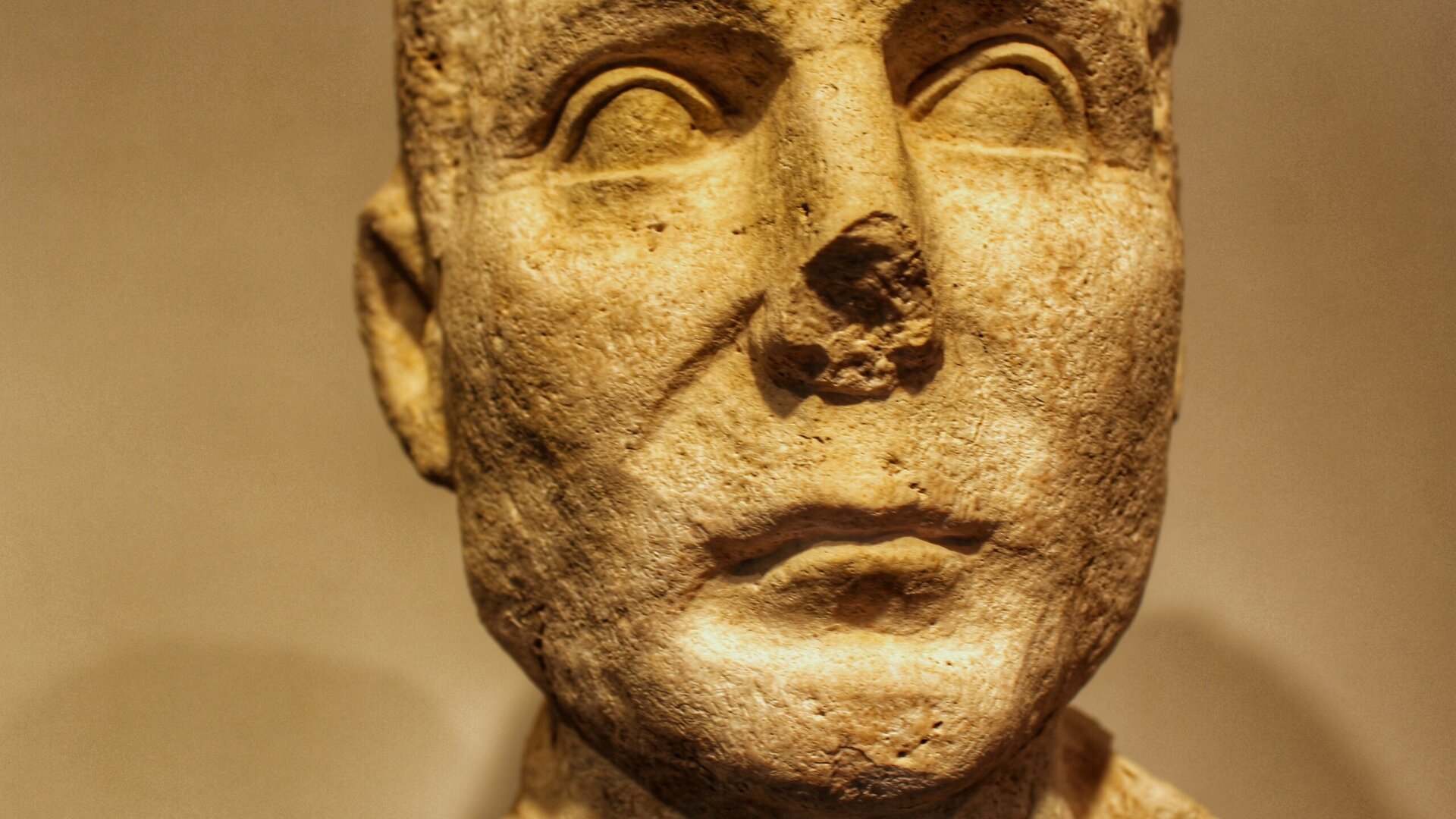
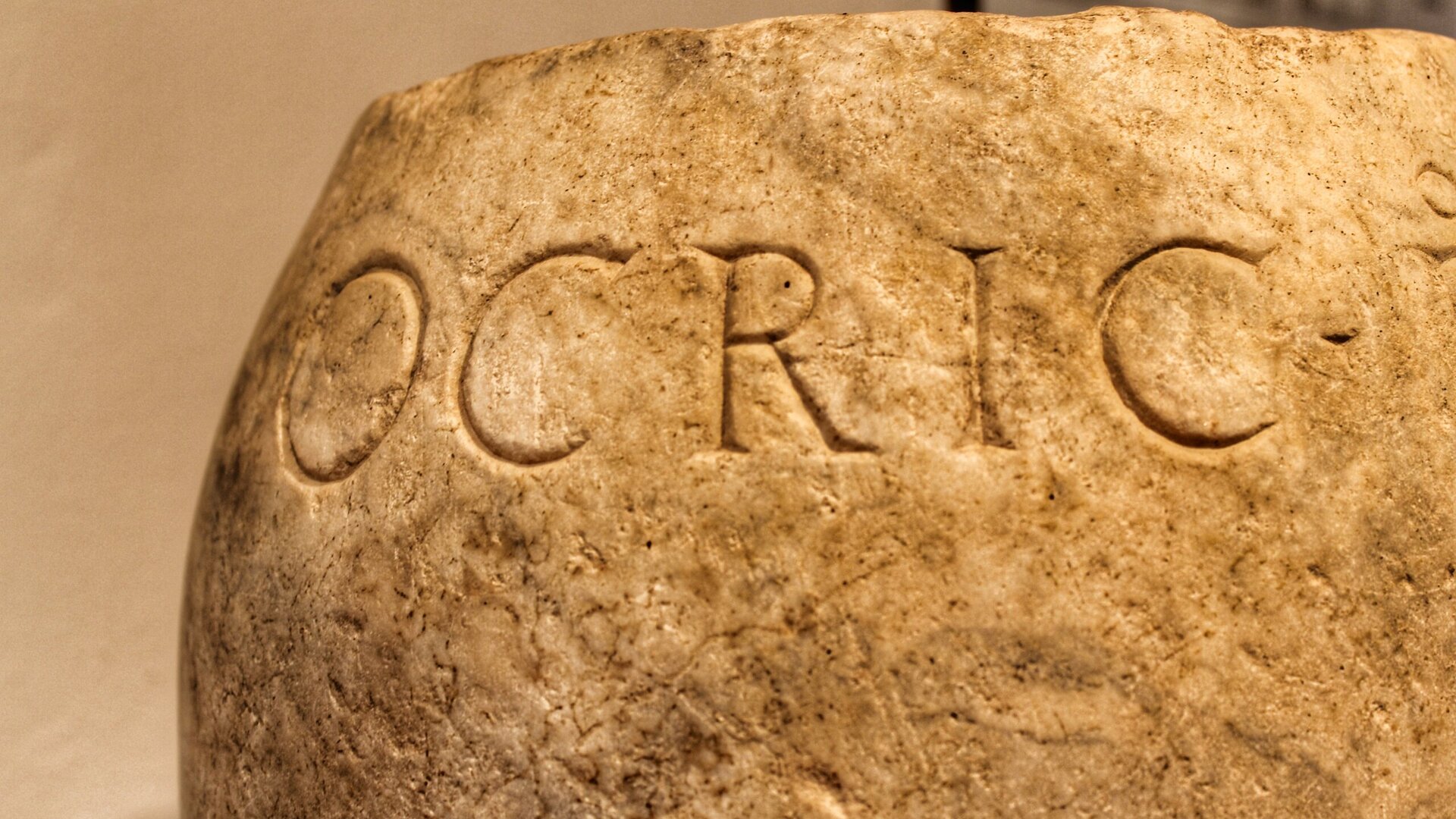
Between the 2nd and 4th centuries AD, Ocriculum underwent a gradual transformation while maintaining an important role within the administrative and commercial network of Roman Umbria. As the Roman Empire entered a period of decline and the first barbarian invasions reached the Italian peninsula, the urban fabric of the city began to change profoundly.
The conflicts of the Gothic War (AD 535–553) highlighted the vulnerability of Ocriculum, whose location on the plain lacked significant natural defences and protective walls. In response, the nearby hill—already fortified by ancient defensive structures—regained its strategic importance and gradually became the refuge of the local population. Otricoli represents one of the earliest examples in Italy of a return to a hilltop settlement during the Early Middle Ages, marking the transition from an open Roman city to a fortified medieval community.
In AD 568, the Lombards invaded Italy, and throughout the 6th and 7th centuries Umbria became a frontier region contested between the Lombards and the Byzantines. Initially under the authority of the Exarchate of Ravenna, Otricoli later became part of the Duchy of Rome. Following a complex period of military and diplomatic struggles, the town was permanently incorporated into the possessions of the Roman Church through the Pactum Ludovicianum of AD 817, which confirmed earlier agreements between Charlemagne and Pope Adrian I.
During these centuries, Ocriculum also served as an episcopal seat. Historical sources attest to the existence of its diocese from the 5th century, with Bishop Herculius recorded among the participants at the Council of Rome in AD 487.
A central figure of this period is Saint Fulgentius, co-patron saint of Otricoli. According to tradition, during the Gothic War he confronted the Ostrogothic king Totila. A miraculous intervention is said to have saved him from imprisonment and death, persuading the king to spare the town. Fulgentius is also credited with the miraculous discovery of the relics of Saint Victor, which were later transferred to the Collegiata, strengthening the cult of the local saints and reinforcing the religious identity of the emerging fortified village.
This period marked the definitive transition from the Roman city of Ocriculum to the medieval community of Otricoli, where faith, defence and the strategic value of the hilltop settlement became the foundations of a new chapter in the town’s history.