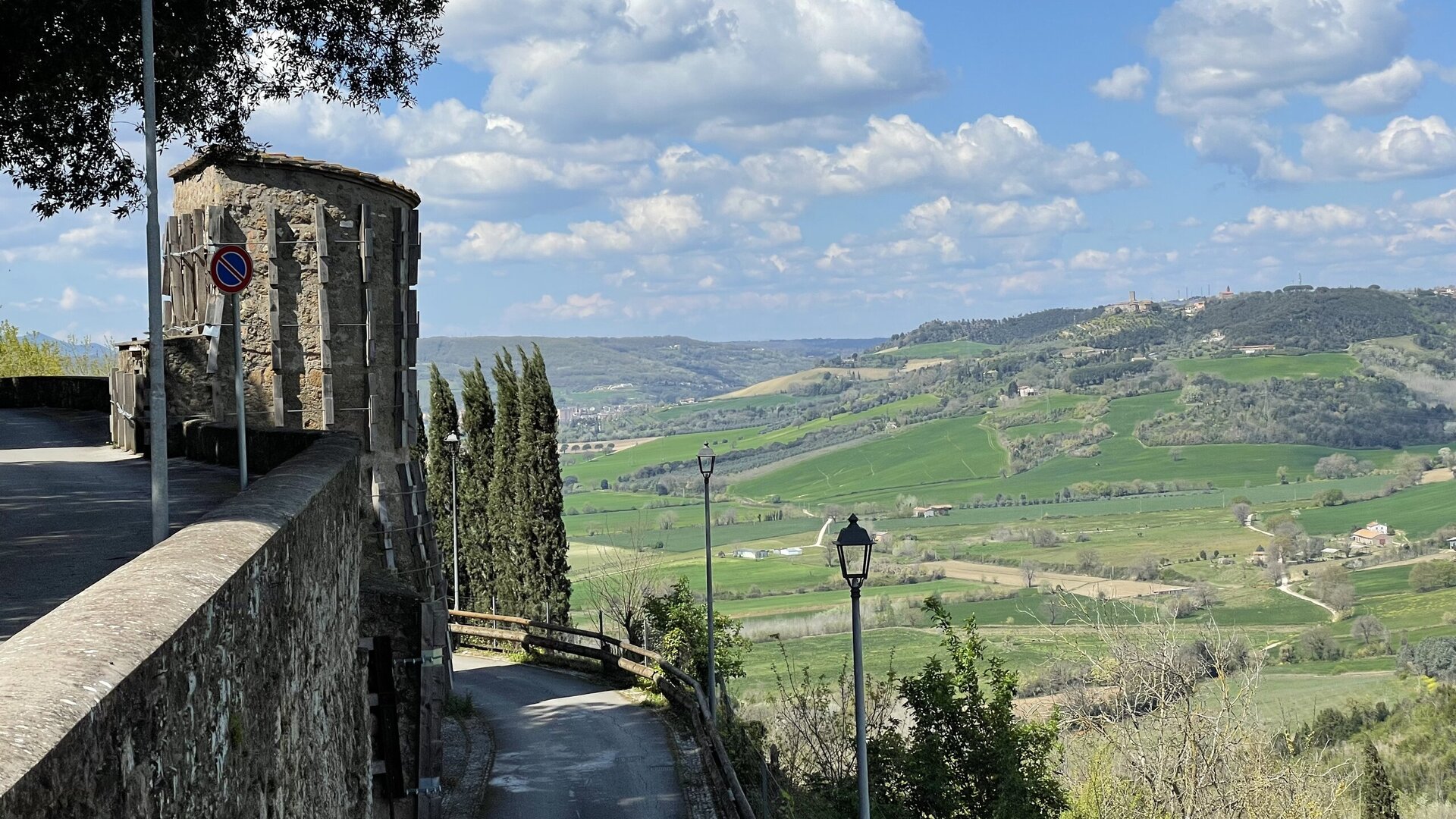
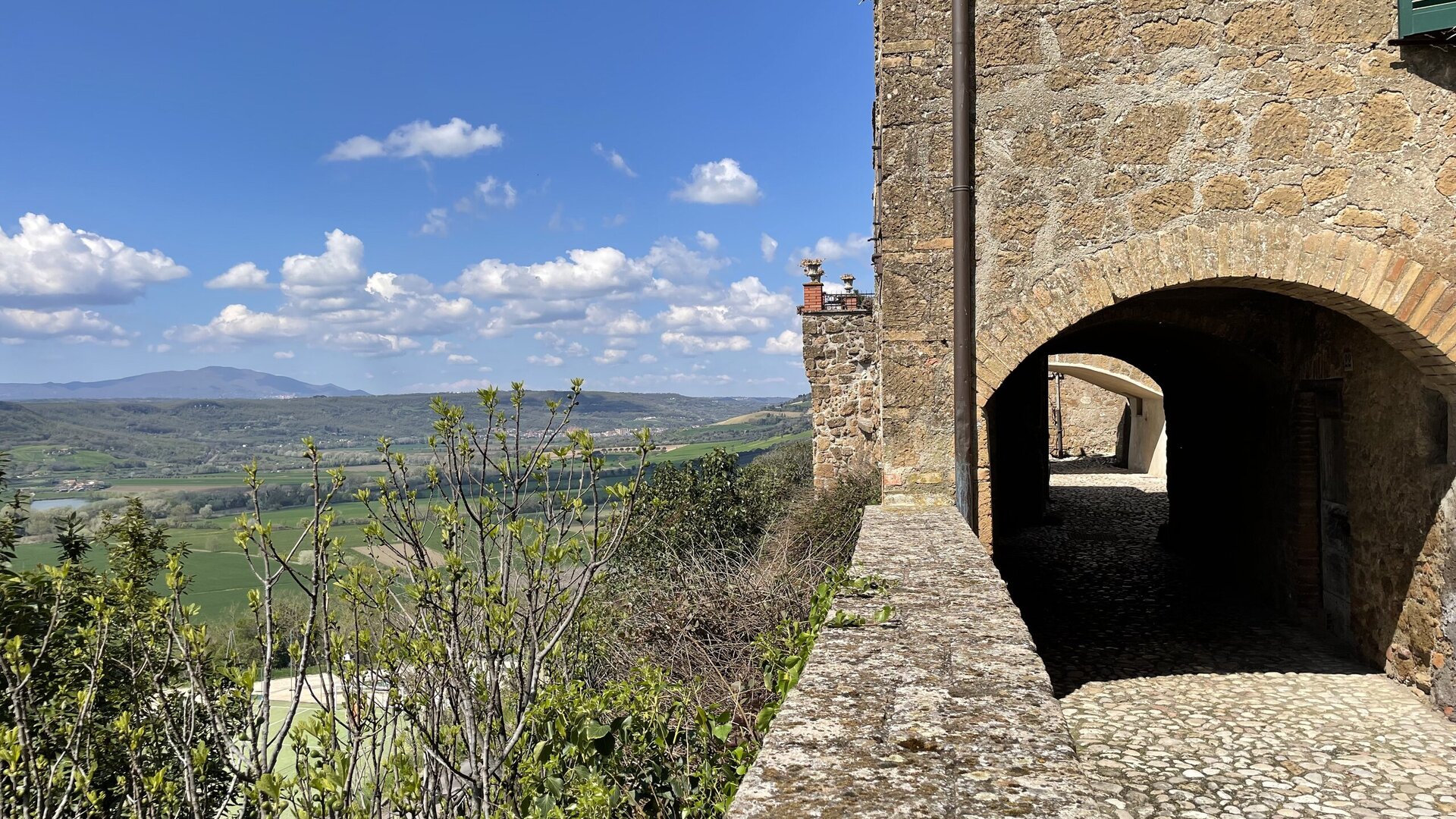
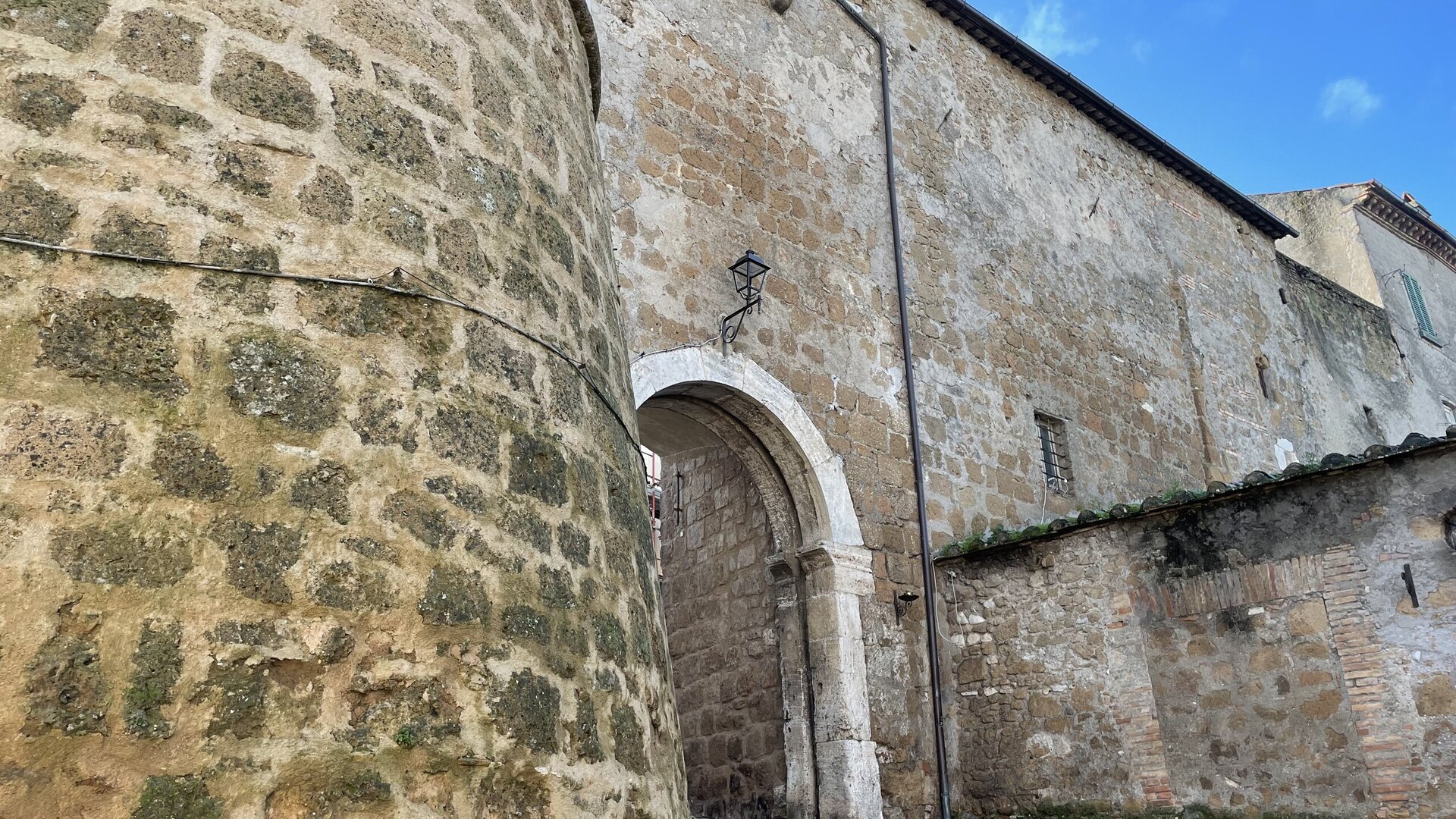
Beginning in the 9th century, Otricoli consolidated its role as a castrum, a fortified hilltop settlement and an important outpost of the Patrimonium Sancti Petri along the southern frontier of Umbria. Overlooking the Tiber Valley and the ancient route of the Via Flaminia, it occupied a strategic position between the Duchy of Rome and the Lombard Duchy of Spoleto.
Contemporary sources, including the Liber Pontificalis, mention the castrum Otriculi as early as the 8th century, reflecting its growing importance as both a defensive stronghold and an administrative centre. In the centuries that followed, the village became involved in the complex political dynamics of central Italy, contested at various times by the Church, local noble families and, during the communal period, the emerging autonomous cities of southern Umbria.
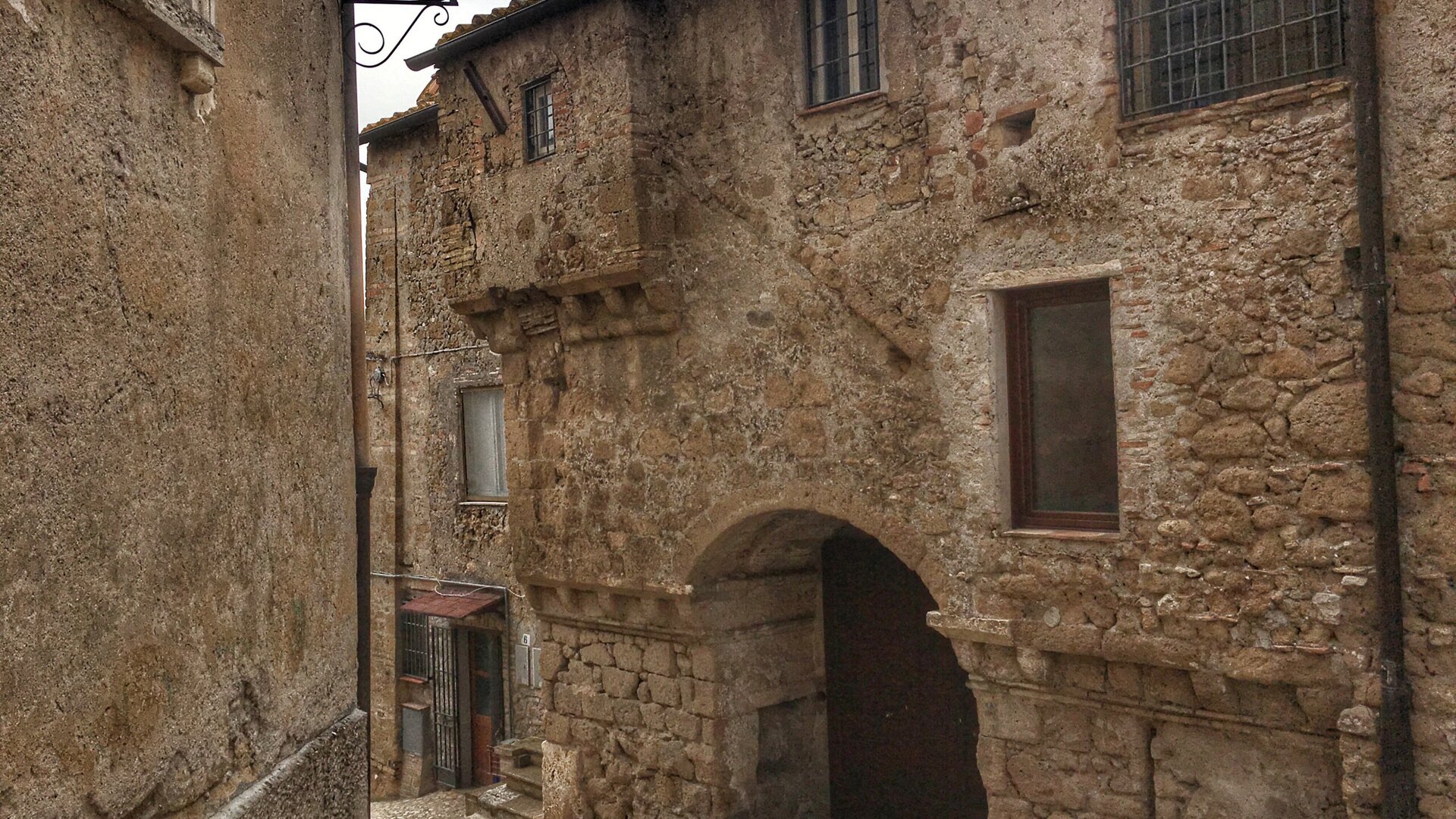
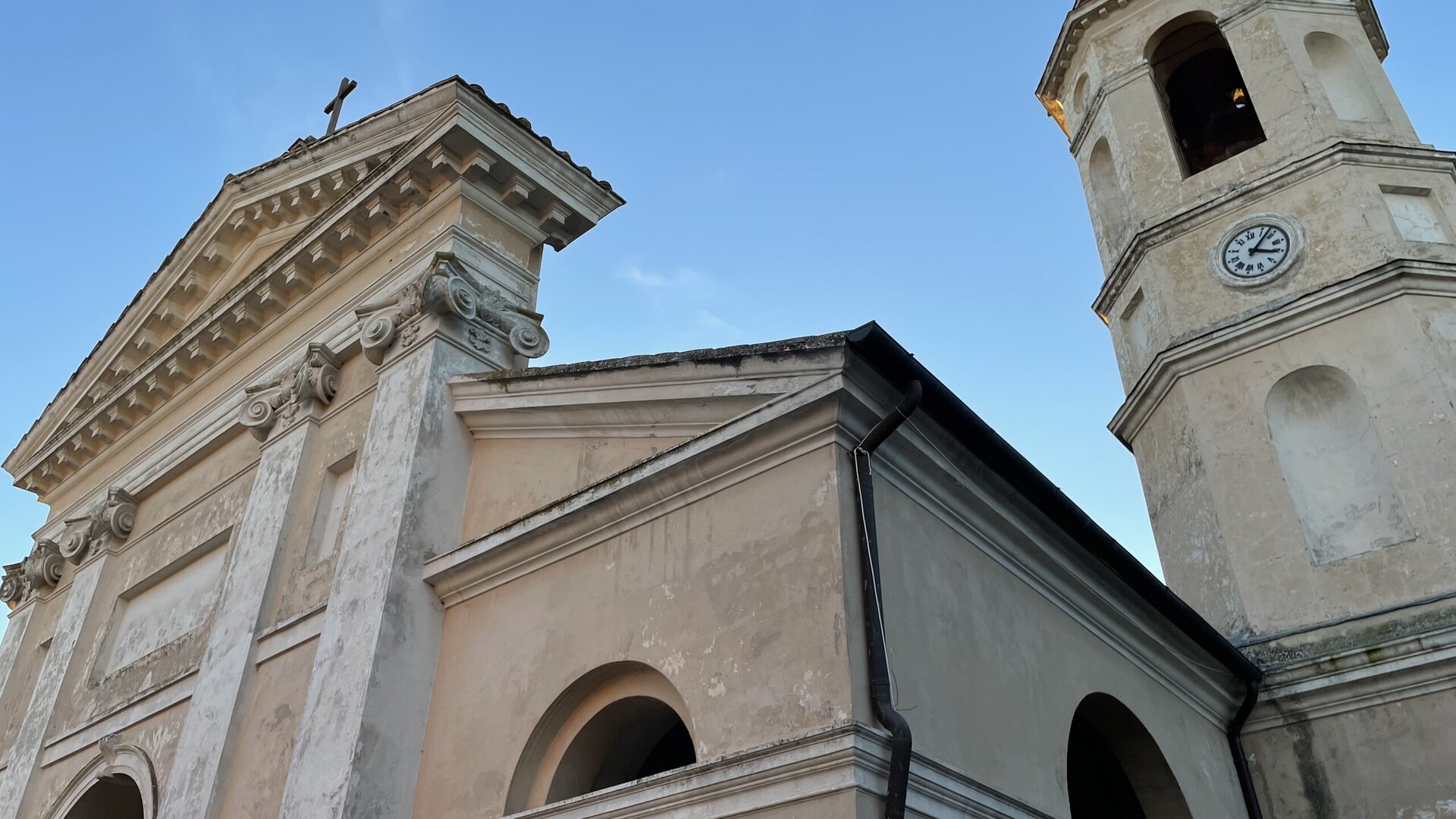
The urban fabric developed around the Collegiata and the main square, while the medieval walls partially followed the perimeter of earlier fortifications. The settlement was divided into distinct neighbourhoods, each with its own confraternities, communal ovens, gardens and small craft workshops. Beyond the walls, a landscape of vineyards, olive groves and pastures provided the economic foundation for the community and ensured a high degree of self-sufficiency.
By the 12th century, Otricoli formed part of the possessions of the Church of Rome, yet it also experienced periods of local autonomy. Governed by its own consuls and municipal statutes—renewed during the 14th century—the castrum maintained an active civic life. Agricultural and artisanal activities flourished outside the walls, while the hilltop centre reinforced its religious and symbolic role within the surrounding territory.
During the 15th and 16th centuries, although Otricoli remained a small town within the Patrimony of Saint Peter, it participated in the religious and cultural renewal that characterised Renaissance Umbria.
Several churches were renovated according to new artistic ideals, enriched with frescoes and furnishings inspired by Renaissance aesthetics. The Collegiata and local confraternities played a central role in promoting renewed attention to liturgy and religious education, as evidenced by inscriptions, artworks and surviving devotional objects.
Otricoli's position along the Via Flaminia, together with its connections to nearby centres such as Narni, Amelia and Terni, encouraged the circulation of craftsmen, builders and artistic models. The presence of skilled stonemasons and masons working throughout the region brought new expertise and cultural influences to the village.
Even within a relatively peripheral setting, the Renaissance represented a period of renewal and transformation, enriching the artistic and spiritual life of the community while preserving the continuity of its religious traditions and communal identity.
A Border Village
In the centuries that followed, Otricoli maintained its character as a fortified agricultural village and an integral part of the Papal States. Its location near the frontier with the Kingdom of Naples made it a witness to military movements, taxation policies and recurring tensions between local communities and central authorities.
Despite these challenges, the village experienced a period of architectural and religious renewal. Churches were restored and enriched with new furnishings and works of art, while the confraternities that played a central role in community life were revitalised. The Collegiata di Santa Maria Assunta, already at the heart of medieval religious life, became an increasingly important focus of local devotion.
Although agriculture and livestock farming remained the foundation of the local economy, Otricoli was also home to skilled craftsmen, builders and stonemasons. Many worked beyond the village itself, contributing to construction projects throughout the surrounding region and providing an important source of income for local families.