Poggio di Otricoli

A peaceful hamlet surrounded by the Umbrian countryside
Poggio di Otricoli is a small hamlet nestled in the Umbrian countryside, just a few kilometers from Otricoli, where the rural landscape meets the tranquility of a traditional hilltop village.
Here, time seems to slow down. Quiet roads, stone houses, olive groves, and sweeping views over the Tiber Valley create an authentic and intimate atmosphere that invites visitors to relax and reconnect with nature.
Visiting Poggio di Otricoli means discovering the most peaceful and genuine side of Umbria, shaped by natural beauty, slow rhythms, and local traditions. Its location also makes it an ideal base for exploring the Lands of Otricoli and the border region between Umbria and Sabina, where history, culture, and landscape come together in a uniquely captivating setting.
What to See in Poggio di Otricoli and the Surrounding Area
Among rural landscapes, villages, and the natural beauty of southern Umbria
Poggio di Otricoli is the perfect destination for those seeking tranquility, authenticity, and a close connection with the land. Surrounded by rolling hills and unspoiled countryside, it offers a genuine experience of rural Umbria, far from the crowds and immersed in nature.
The surrounding area features scenic routes through hills, small villages, and panoramic viewpoints that reflect the agricultural and historical character of this part of Umbria. Whether walking through olive groves, exploring quiet country roads, or discovering nearby hamlets, visitors can enjoy landscapes shaped by centuries of tradition and rural life.
Its strategic location also makes Poggio di Otricoli an excellent base for exploring the Lands of Otricoli, the Tiber Valley, and the border region between Umbria and Sabina, where history, culture, and nature come together in a unique and captivating setting.

The Historic Center
A small historic village of stone, silence, and panoramic views
The historic center of Poggio di Otricoli preserves the authentic character of a small Umbrian village, with its narrow lanes, stone buildings, scenic viewpoints, and peaceful atmosphere that reflects its deep connection with the surrounding countryside.
As you wander through its quiet streets, you can still experience the slow-paced and rural spirit of the area, shaped by local traditions, close-knit community life, and open landscapes overlooking the Tiber Valley.
The village represents the most authentic heart of the hamlet and serves as the perfect starting point for exploring the surrounding countryside, with its olive groves, natural scenery, and hilltop walking routes that reveal the beauty of southern Umbria.

The Village of Poggio di Otricoli
Stone houses, peaceful surroundings, and authentic charm
This small hamlet preserves the simple beauty of Umbria’s lesser-known villages, with its narrow lanes, stone buildings, and open views across the surrounding countryside. Far from the bustle of more popular destinations, Poggio di Otricoli offers a genuine and unspoiled atmosphere that reflects the true character of rural Umbria.
Strolling through its quiet streets allows visitors to experience a more intimate side of the region, where everyday life moves at a slower pace and the landscape remains closely connected to local traditions and agricultural heritage.
With its tranquil setting, timeless architecture, and panoramic scenery, the village invites travelers to discover an authentic corner of Umbria where simplicity, nature, and history come together in perfect harmony.

The Hills and Olive Groves
An agricultural landscape that reflects the traditions of the land
Surrounding the village is a landscape shaped by olive groves, cultivated fields, and quiet country roads that have defined the character of the area for generations. This rural setting reflects the deep agricultural heritage of Poggio di Otricoli and its enduring connection to the land.
The hills that embrace the village offer beautiful panoramic views over the Tiber Valley, creating a scenery that changes with the seasons while preserving its timeless charm. Their gentle slopes, dotted with olive trees and farmland, are among the most distinctive features of the local landscape.
Exploring these hills means discovering the authentic heart of southern Umbria, where nature, traditional farming practices, and centuries-old rural culture come together in a harmonious and captivating environment.

Nature Trails
Leisurely walks through the countryside and the landscapes of Umbria
The area around Poggio di Otricoli is ideal for walking, gentle hikes, and outdoor exploration. Surrounded by rolling hills and rural scenery, it offers a peaceful environment where visitors can experience the natural beauty of southern Umbria at a relaxed pace.
Quiet country roads and scenic trails allow travelers to explore the landscape in tranquility, immersed in silence, Mediterranean vegetation, and sweeping views across the valley. Along the way, olive groves, cultivated fields, and woodland areas reveal the strong connection between nature and local traditions.
Whether for a short stroll or a longer excursion, these routes provide an opportunity to discover the authentic character of the territory, enjoying the rhythms of the countryside and the ever-changing beauty of the Umbrian landscape.
Events and Traditions
Local festivals and community spirit between village and countryside
The area of Poggio di Otricoli continues to preserve traditions deeply connected to community life, religious celebrations, and the rural culture of Umbria. These customs remain an important part of local identity, strengthening the bond between residents, the landscape, and their shared heritage.
Patron Saint Festivals and Community Gatherings
Tradition, hospitality, and local identity
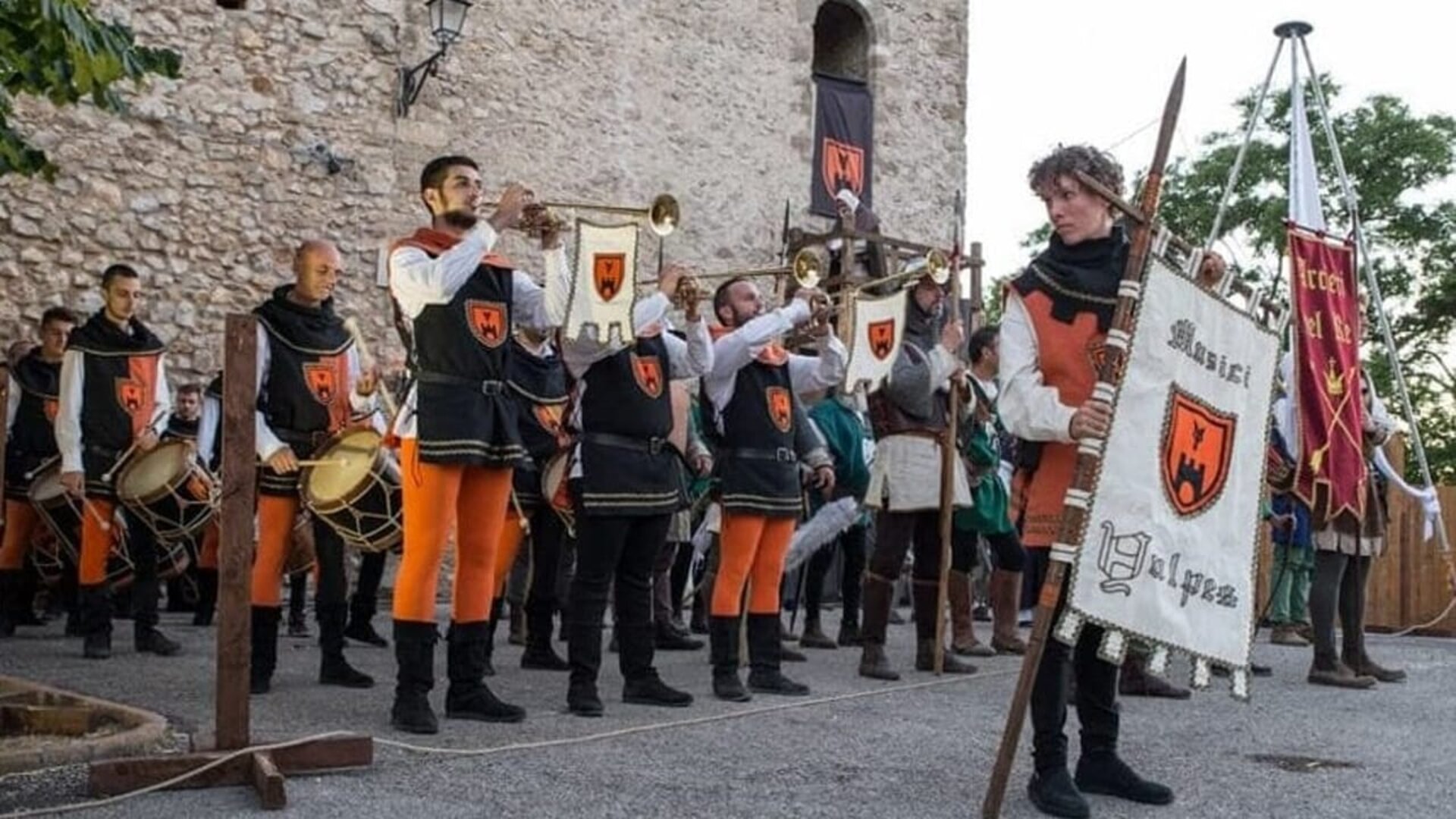
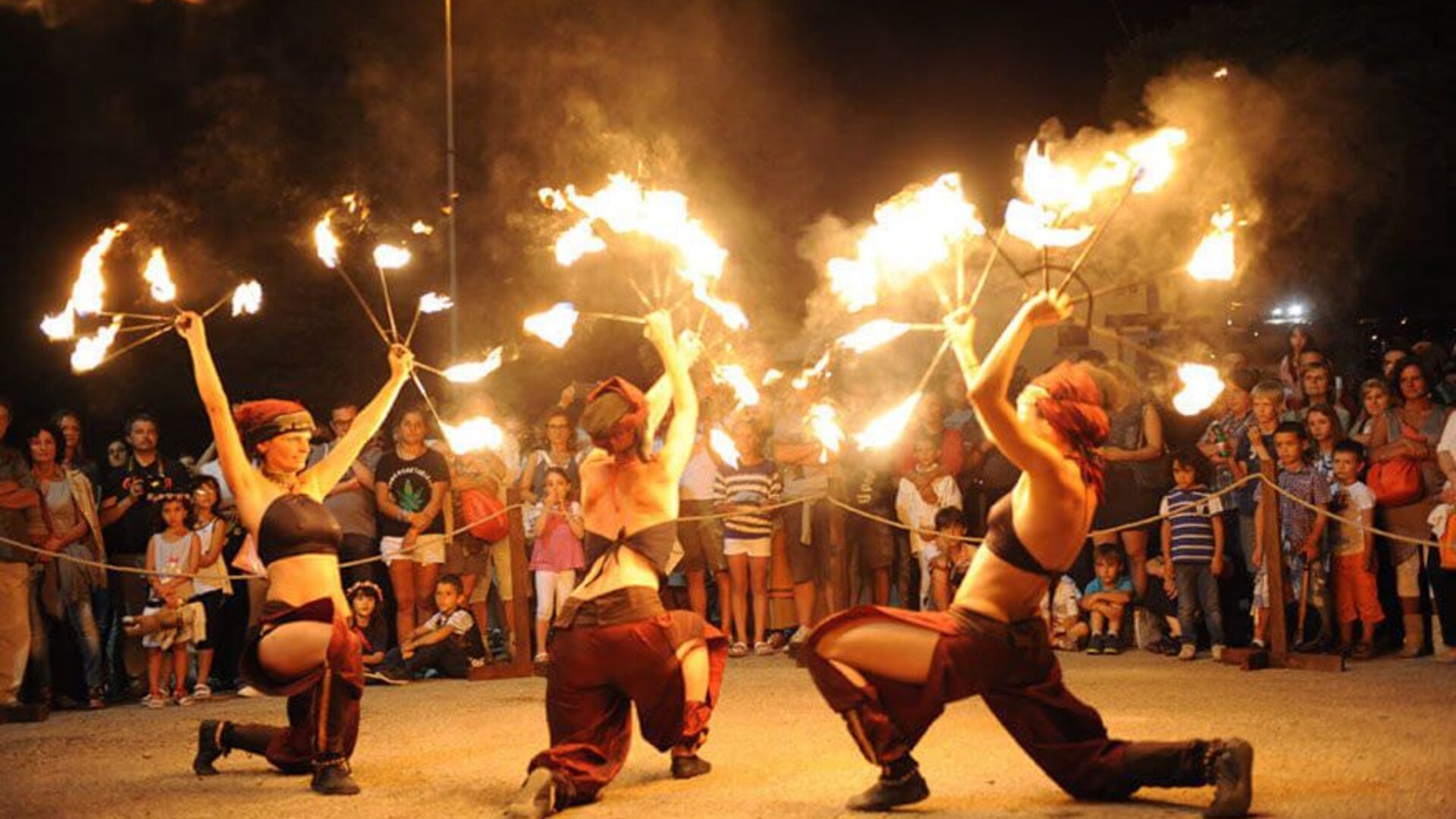
Throughout the year, the village and its surrounding areas host community gatherings, religious celebrations, and traditional festivals that keep the customs of the territory alive.
These events provide opportunities for residents and visitors to come together, share local traditions, and celebrate the cultural heritage of the countryside. Music, traditional food, religious observances, and social gatherings all contribute to an atmosphere of warmth and conviviality that reflects the authentic spirit of the community.
Participating in these occasions offers a unique insight into the everyday life of Poggio di Otricoli, where tradition, hospitality, and a strong sense of belonging continue to shape the rhythm of village life.

Food and Local Flavors
Extra virgin olive oil, rural cuisine and Umbrian tradition
The cuisine of the area reflects the agricultural culture of southern Umbria: simple ingredients, authentic flavours, and recipes handed down over time.
Oil and countryside products
The authentic taste of the Umbrian hills
Extra virgin olive oil is one of the region’s flagship products, along with local wines, legumes, and traditional rural produce.
Umbrian flavours and local cuisine
Handmade pasta, local meats, cured meats, cheeses, and traditional desserts all reflect a cuisine that is simple yet deeply rooted in the seasonality and rural character of the territory.
A Brief History of Poggio di Otricoli
A rural territory between the Tiber, the Via Flaminia, and ancient settlements
The history of Poggio di Otricoli is closely intertwined with that of nearby Otricoli and the ancient Roman city of Ocriculum, an important settlement that flourished along the Via Flaminia and near the Tiber River. Thanks to its strategic location, this area played a significant role in trade, communication, and cultural exchange throughout antiquity.
Over the centuries, the territory maintained a strong agricultural and rural identity, still visible today in its landscapes, the organization of its small settlements, and its enduring local traditions. Its position between Umbria and Sabina encouraged cultural, commercial, and gastronomic exchanges that continue to influence this part of southern Umbria.
The first written mention of the village dates back to 1237, when it was known as Castrum Podii Medii. Although its inhabitants swore allegiance to the Municipality of Narni in 1277, they continued to vigorously defend their collective rights over forests, pastures, and water resources, demonstrating the strong sense of autonomy that characterized local communities.
Today, the village still preserves the compact layout typical of medieval hilltop castles. Its defensive structure originally included fortified walls, seven towers, and the imposing 14th-century Rocca, which remains the symbolic and strategic heart of the settlement.
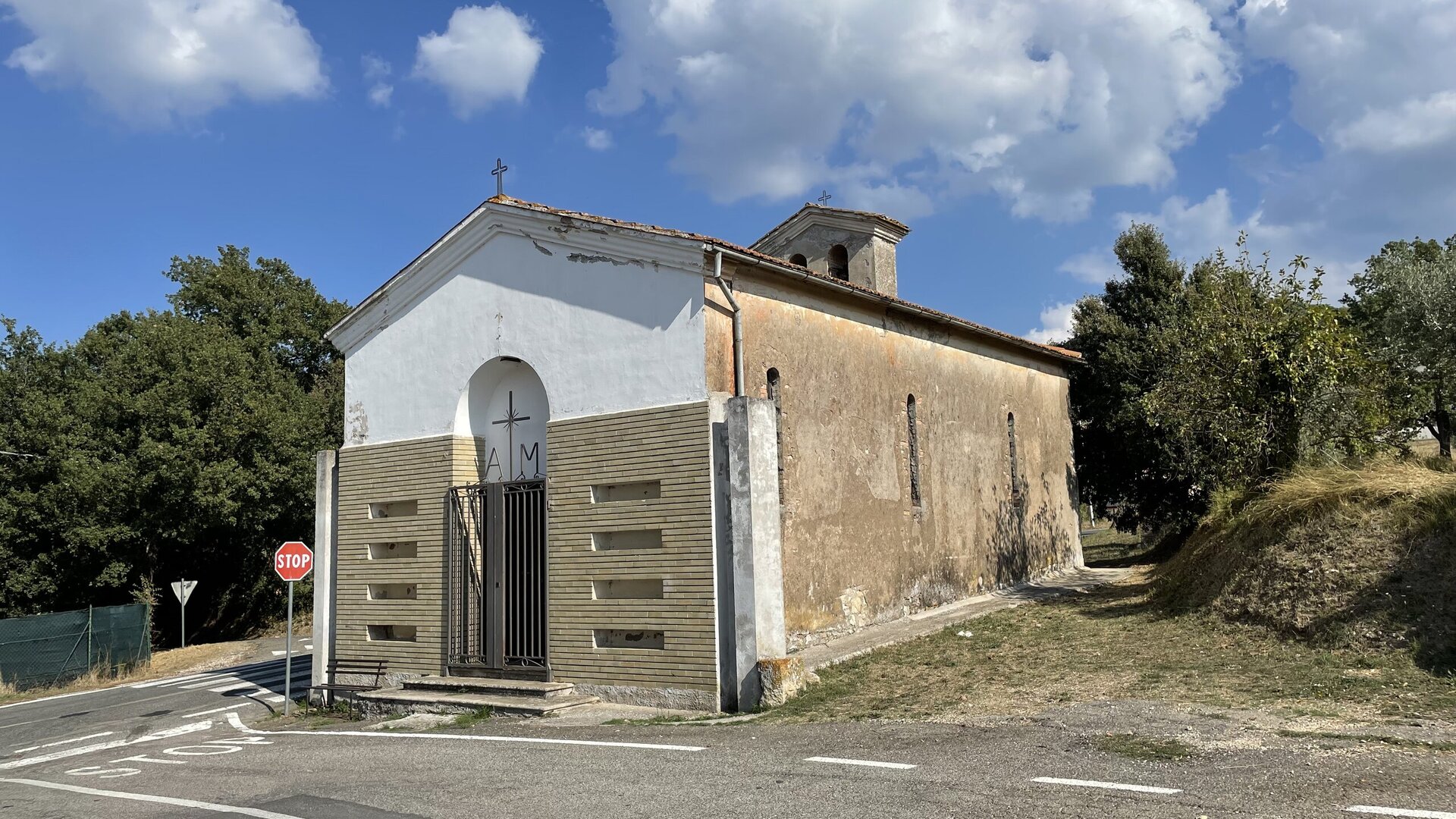
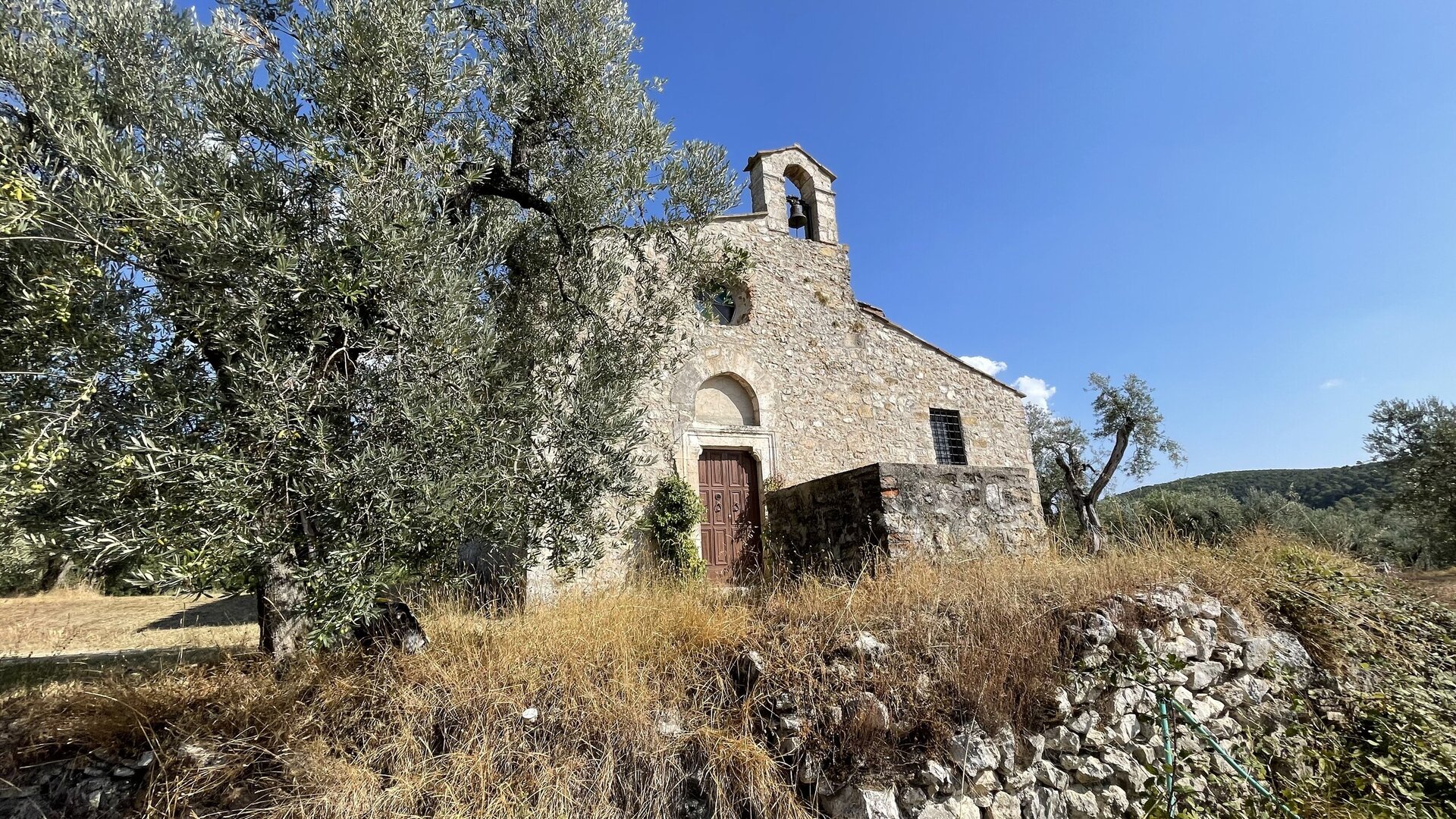
Nearby once stood Castello Alvelino, now lost to time. Outside the village walls lies the Church of Santa Maria del Perello, adorned with frescoes and linked to centuries of popular devotion. A short distance from the village, the Hermitage of San Vittore bears witness to the spiritual and rural traditions of the area, where ancient rites and celebrations continue to be remembered and observed.
Today, Poggio di Otricoli preserves a unique blend of medieval heritage, rural culture, and historical memory, offering visitors an authentic glimpse into a landscape shaped by centuries of human presence and a deep connection to the land.