Otricoli

Between the Tiber, archaeology, and rolling hills: the green gateway to southern Umbria
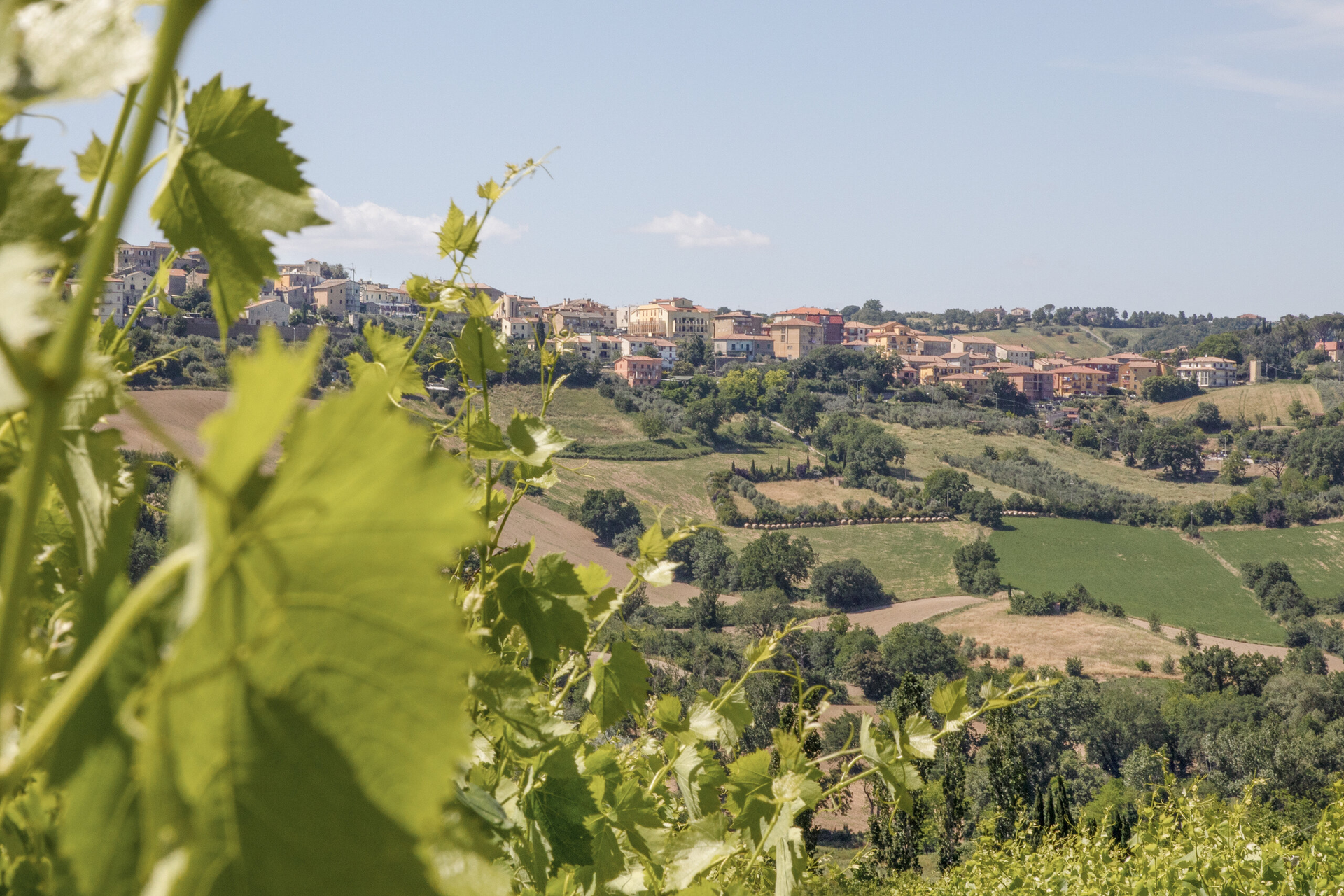
Otricoli is a village suspended between history, nature, and landscape, overlooking the Tiber Valley and located near the ancient Via Flaminia.
Those who arrive in Otricoli discover an intimate and authentic place, where the charm of a medieval village meets the rich archaeological heritage of Ocriculum, one of the most evocative Roman sites in southern Umbria.
Visiting Otricoli means wandering through quiet alleyways, taking in sweeping views, exploring Roman ruins, experiencing local traditions, and enjoying riverside landscapes. It is an ideal starting point for discovering the Lands of Otricoli, at the crossroads of Umbria and the Sabina region.


What to See in Otricoli
Among Roman Ruins, Tiber Views, and Authentic Villages
Otricoli offers a slow and immersive travel experience: from its hilltop historic center to the Archaeological Park of Ocriculum, from the banks of the Tiber River to the village of Poggio, and through the lush green landscapes that surround the area.
Whether exploring ancient Roman remains, admiring panoramic views over the river valley, or discovering the timeless charm of its hamlets, Otricoli invites visitors to experience the authentic spirit of southern Umbria at a relaxed pace.

The Historic Center
A charming village of stone, winding alleys, and panoramic views over the valley
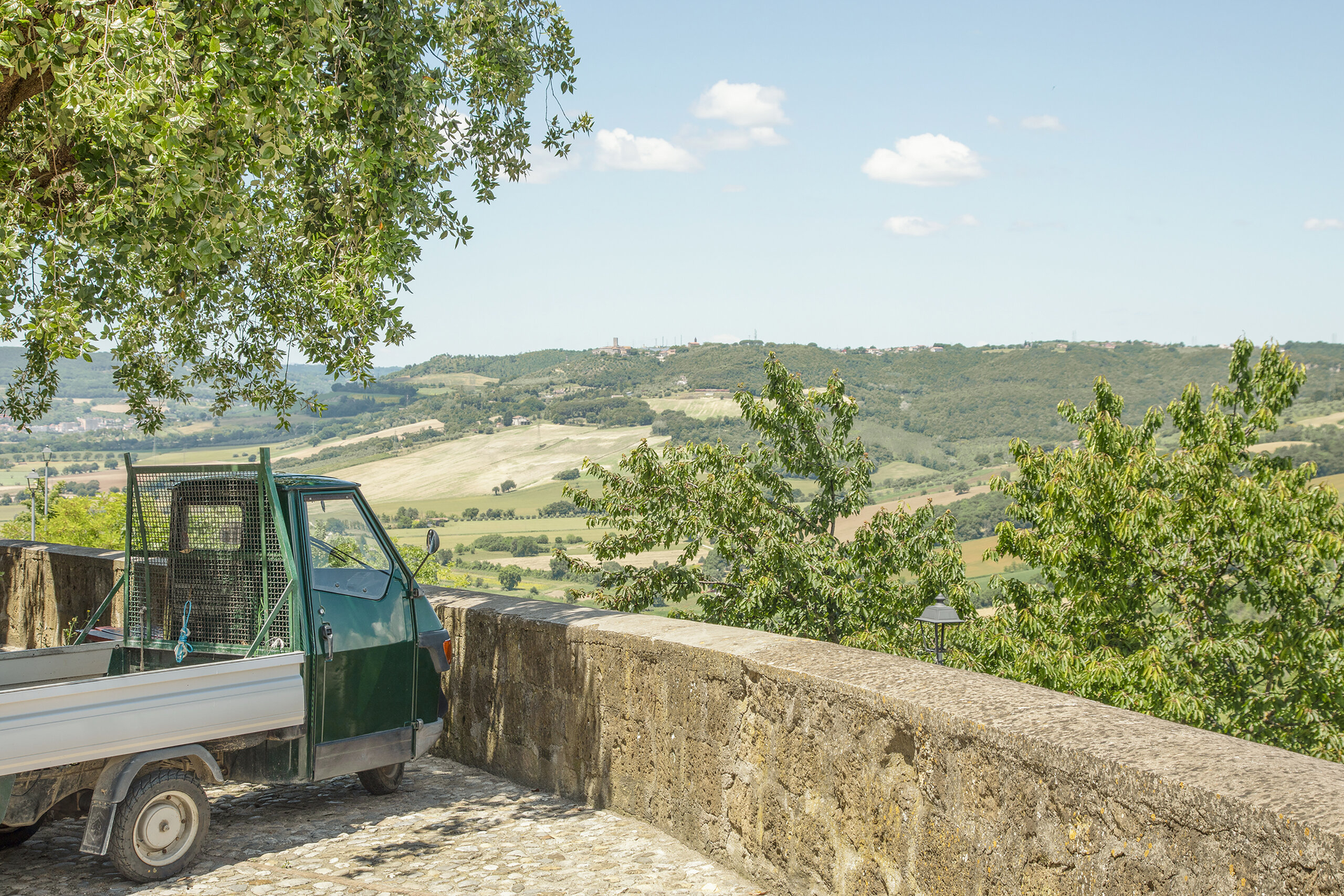
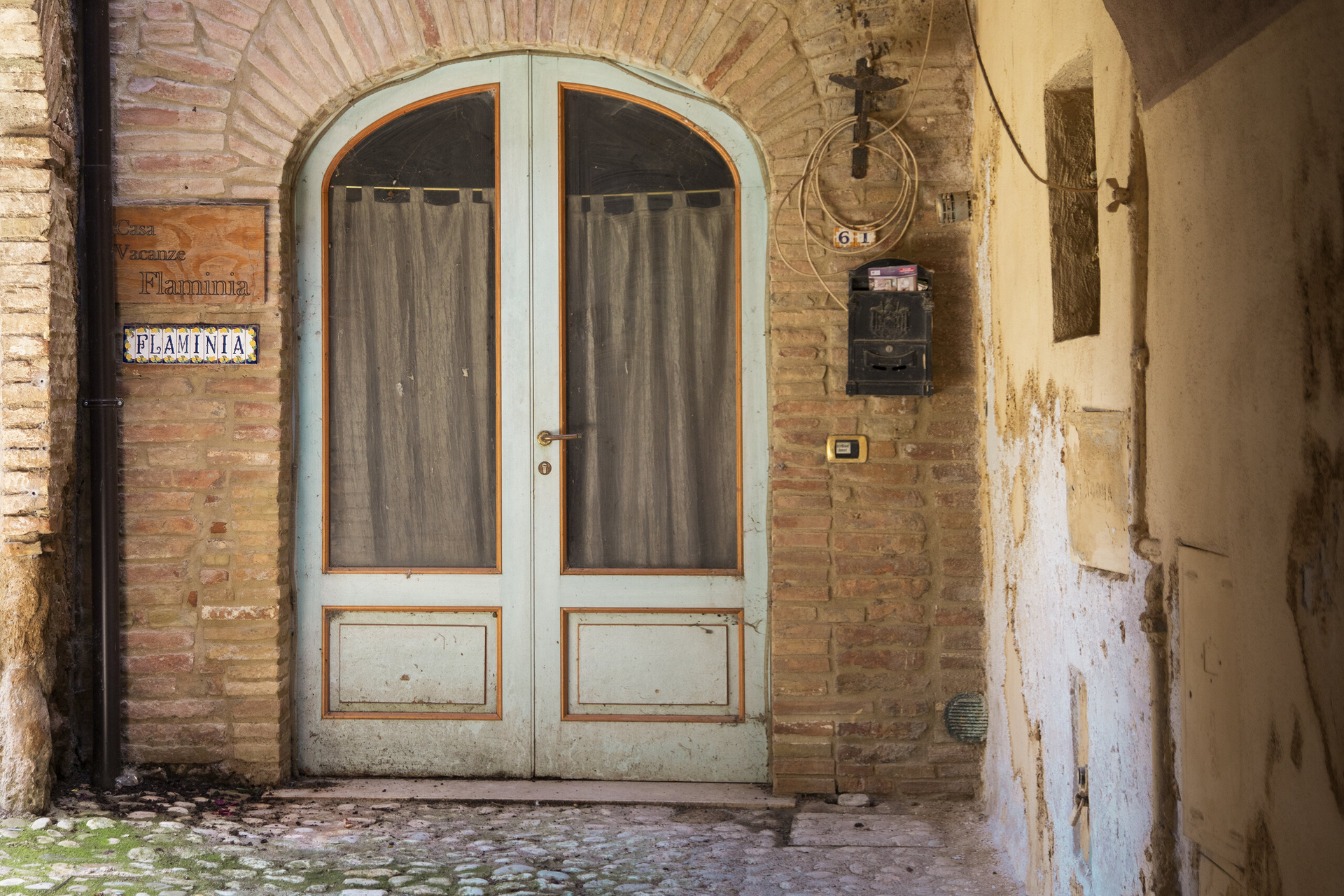
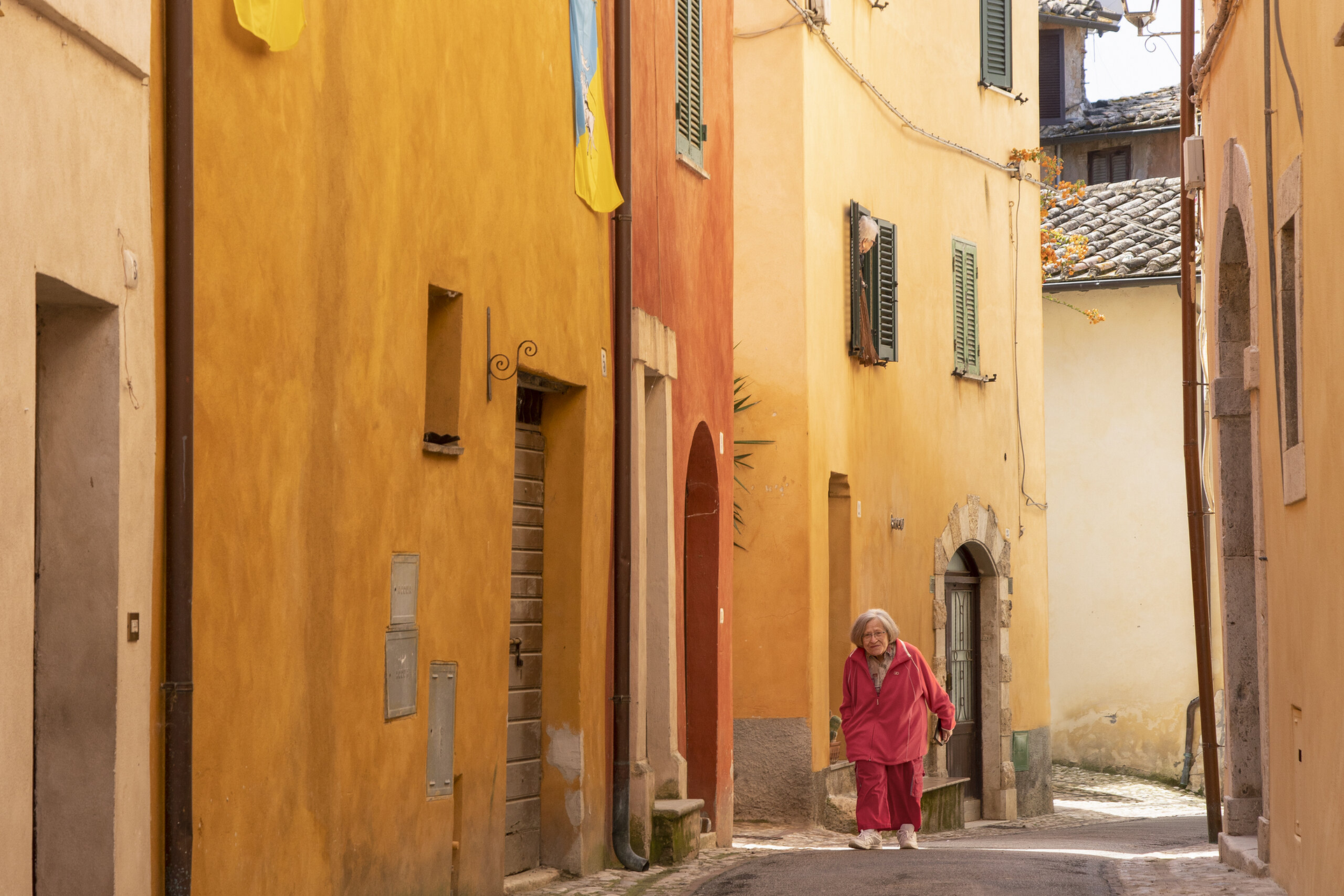
Otricoli’s historic center preserves the authentic atmosphere of a traditional Umbrian village, with its narrow streets, stone-built houses, hidden corners, and scenic viewpoints overlooking the Tiber Valley.
As you stroll through the village, you can sense the deep connection between the medieval settlement and ancient Ocriculum, located below on the plain that stretches toward the river. The harmonious blend of history, architecture, and landscape makes the historic center an ideal place to experience the timeless charm of Otricoli.

The Archaeological Park of Ocriculum
The Roman city between the Via Flaminia and the Tiber
The Archaeological Park of Ocriculum is the historical heart of the area. The ancient Roman city stood in a strategic location along the Via Flaminia and beside a bend of the Tiber River, in a landscape where archaeology and nature coexist in extraordinary harmony.
Visitors can admire impressive monumental remains that testify to the importance of Ocriculum during the Roman era, including public spaces, ancient structures, and walking paths immersed in the surrounding greenery.
Exploring the park offers a unique opportunity to step back into the past while enjoying the beauty of the Umbrian countryside, making Ocriculum one of the most remarkable archaeological sites in southern Umbria.

The Oil Port
The ancient connection between Otricoli, the Tiber, and trade
The area of Ocriculum was closely linked to the Tiber River, which played a vital role in the trade networks of antiquity. In particular, the so-called Oil Port bears witness to the economic importance of the Roman city and the deep relationship between this territory, the river, and local agricultural production.
Thanks to its strategic position along the Tiber, goods could be transported efficiently between Ocriculum, Rome, and other commercial centers. Olive oil, one of the region’s most valuable products, was among the commodities that contributed to the prosperity of the area.
Today, the site offers a fascinating insight into the commercial life of ancient Ocriculum, highlighting how the river shaped the history, economy, and development of the territory.

The Tiber River and the Riverside Landscape
Water, nature, and memory along Umbria’s natural boundary
The Tiber River is more than a geographical feature. It is an essential part of Otricoli’s identity. For centuries, its waters have accompanied the history of the village, from the Roman era to local religious traditions and popular customs.
The riverside landscape offers picturesque views and a tranquil atmosphere, making it an ideal setting for leisurely walks, photography, and moments of quiet reflection. Along its banks, visitors can experience the harmony between nature and history that has shaped this territory through the ages.
Today, the Tiber remains a defining presence in the landscape, connecting Otricoli to its past while offering a peaceful environment in which to appreciate the beauty of southern Umbria.
Events and Traditions
Historical reenactments, patron saint festivals, and community life
Otricoli proudly preserves traditions that remain deeply rooted in local life, shaped by its Roman heritage, religious devotion, and the strong sense of community that defines the village.
Throughout the year, historical reenactments, patron saint celebrations, and traditional festivities bring the streets and squares of Otricoli to life, creating occasions for residents and visitors to come together and celebrate the village’s cultural identity.
These events offer a unique opportunity to experience local customs, discover centuries-old traditions, and enjoy the warm hospitality that has long been a hallmark of Otricoli and its surrounding territory.

Food and Local Flavors
Olive oil, wine, and Umbrian cuisine rooted in simplicity and tradition
The cuisine of Otricoli is deeply connected to its rural heritage and the products of the local land: extra virgin olive oil, wine, legumes, handmade pasta, meats, cured specialties, and traditional recipes that reflect both Umbrian and Sabine culinary traditions.
The Local Olive Oil
A signature product shaped by the Tiber, the hills, and an agricultural legacy
Olive oil is one of the most representative products of this area. The historical connection with the ancient Oil Port highlights the importance of olive cultivation and trade, a tradition that dates back to Roman times.
Today, the olive groves that cover the surrounding hills continue to produce high-quality extra virgin olive oil, preserving a centuries-old relationship between the landscape, local farming, and regional identity.
Umbrian Cuisine and Borderland Flavors
Where the culinary traditions of Umbria and Sabina meet
Otricoli occupies a unique position between Umbria and the Sabina region, and its cuisine reflects this cultural crossroads. Local dishes are characterized by simple preparations, seasonal ingredients, and authentic flavors that celebrate the richness of the territory.
From homemade pasta and hearty legume dishes to cured meats, grilled meats, and traditional countryside recipes, the local gastronomy offers a genuine taste of central Italy’s rural heritage. Every meal tells the story of a land where tradition, quality ingredients, and hospitality remain at the heart of everyday life.


A Brief History of Otricoli
From Ocriculum to the medieval village: a story shaped by Rome, the Tiber, and the Via Flaminia
The history of Otricoli traces its origins back to ancient Ocriculum, first an Umbrian settlement and later a Roman city, strategically located along the Via Flaminia and close to the Tiber River.
During the Roman era, Ocriculum became an important municipality and flourished thanks to its favorable position on major trade and communication routes. The city developed into a thriving center of commerce and cultural exchange, benefiting from both the road network and river traffic that connected it to Rome and other parts of the peninsula.
Over time, as the Roman world declined and new defensive needs emerged, the population gradually moved from the plain near the river to the hilltop where the present-day village stands. This elevated location offered greater protection and commanding views over the surrounding valley.
Today, Otricoli preserves both dimensions of its past: its archaeological heritage, represented by the remains of the ancient Roman city of Ocriculum, and its medieval character, visible in the historic center, its urban layout, and the enduring relationship between the village and the landscape that surrounds it. Together, these layers of history make Otricoli a unique destination where centuries of civilization can still be experienced and explored.